
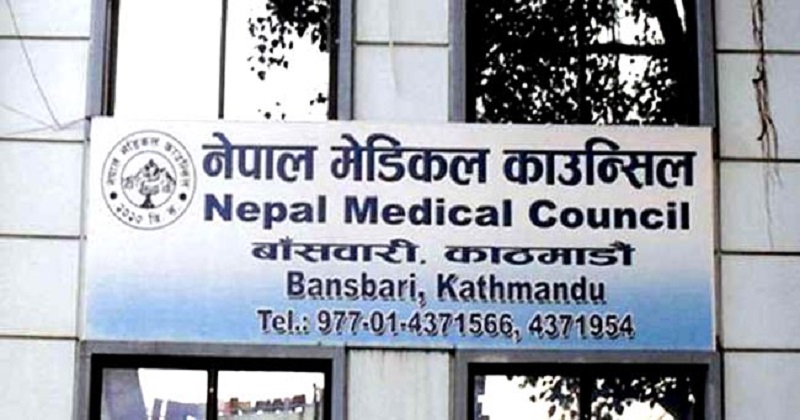
Becoming a licensed medical professional in Nepal is a dream for thousands of students who complete their medical studies either in Nepal or abroad. The Nepal Medical Council (NMC) Licensing Exam is a critical gateway that determines whether a medical graduate can legally practice in the country. Preparing for this exam requires not only academic knowledge but also the right strategy, guidance, and mindset.
This complete guide will walk you through everything you need to know about the NMC Licensing Exam — from eligibility, exam structure, preparation strategies, and resources, to effective study habits that can help you succeed.
📌 Understanding the Nepal Medical Council Licensing Exam
The Nepal Medical Council (NMC) is the governing body responsible for regulating medical education and practice in Nepal. To practice as a doctor, dentist, or pharmacist in Nepal, graduates must clear the NMC Licensing Exam.
The exam is designed to evaluate:
- Clinical knowledge gained during medical studies
- Practical application of theoretical concepts
- Decision-making skills in real-life patient care scenarios
Passing the exam ensures that a candidate is competent and capable of providing safe healthcare services to the people of Nepal.
📌 Eligibility Criteria
Before beginning preparation, it is important to check if you are eligible:
- Medical Graduates from Nepal: Students who have completed their MBBS, BDS, or pharmacy degree from an institution recognized by the NMC.
- Foreign Medical Graduates: Nepali students who studied medicine abroad must get their degrees verified by the Ministry of Education and the NMC before sitting for the exam.
- Required Documentation: Academic transcripts, provisional/degree certificates, internship completion certificate, citizenship, and passport (for foreign graduates).
📌 Exam Structure
The NMC Licensing Exam is structured to test both theoretical knowledge and practical application:
- Written Exam
- Usually multiple-choice questions (MCQs)
- Covers core subjects: Medicine, Surgery, Pediatrics, Gynecology & Obstetrics, Pharmacology, Pathology, Anatomy, Physiology, Microbiology, Community Medicine, and Dentistry (for BDS).
- Duration: 3–4 hours depending on the format.
- Practical / Viva Exam (if applicable)
- Tests clinical skills, patient interaction, and application of knowledge.
- Passing Criteria
- Candidates need to achieve at least the minimum qualifying marks set by the NMC to pass.
📌 Challenges Students Face
Many students underestimate the NMC Licensing Exam, thinking it is similar to regular university exams. However, common challenges include:
- Vast syllabus covering all medical subjects
- Limited time to prepare after graduation or internship
- Difficulty understanding MCQ-based approach compared to descriptive exams
- Stress and anxiety before the exam
- Lack of proper study materials or guidance
Overcoming these challenges requires structured preparation and expert mentorship.
📌 Preparation Strategy
Here’s a step-by-step roadmap to prepare effectively:
1. Understand the Syllabus Thoroughly
The first step is to review the official NMC syllabus. Break it down into subject areas and mark high-yield topics such as:
- Medicine: Cardiovascular, Respiratory, Endocrine, Infectious Diseases
- Surgery: Trauma, Orthopedics, General Surgery principles
- Pediatrics: Growth & Development, Common Childhood Illnesses
- Gynecology & Obstetrics: Pregnancy care, Labor, Gynecological disorders
- Pharmacology: Common drugs, Side effects, Interactions
- Pathology & Microbiology: Common diseases, Lab diagnosis
2. Create a Study Plan
Divide your preparation into phases:
- Phase 1 (3–4 months): Cover all subjects once.
- Phase 2 (1–2 months): Revise and practice MCQs.
- Phase 3 (Last 2–3 weeks): Focus only on revision, mock tests, and weak areas.
Allocate 6–8 hours daily and balance theory with practice questions.
3. Use Standard Reference Books and Notes
Stick to concise review books and avoid bulky textbooks at this stage. Popular resources include:
- Kaplan Notes / USMLE Step 1 books (for fundamentals)
- Review books tailored for NMC exam
- Previous year question papers
4. Practice MCQs Daily
Since the exam is MCQ-based, daily practice is crucial. Attempt at least 100 MCQs per day, analyze mistakes, and understand why the correct answer is right.
5. Take Mock Exams
Simulating real exam conditions helps you manage time and pressure. Aim to take one mock test every week during the last two months.
6. Focus on Clinical Scenarios
The NMC exam often includes case-based MCQs rather than simple fact recall. Learn how to apply theoretical knowledge in a clinical context.
7. Stay Healthy and Positive
- Eat balanced meals and stay hydrated
- Sleep at least 6–7 hours daily
- Practice relaxation techniques like meditation or exercise
A clear mind performs much better under exam stress.
📌 Role of Coaching and Guidance
Self-study is important, but many students benefit from joining a medical prep institute like Edumark Kathmandu because:
- Experienced faculty members provide structured lectures
- Access to up-to-date question banks and mock tests
- Peer learning environment keeps you motivated
- Guidance on time management and revision strategies
Institutes like Edumark also focus on interactive learning, ensuring students understand the concepts deeply rather than rote memorization.
📌 Common Mistakes to Avoid
- Ignoring Minor Subjects: Many students focus only on Medicine and Surgery, but smaller subjects like Microbiology and Community Medicine often carry significant weight.
- Cramming at the Last Minute: This creates confusion and burnout. Stick to a planned revision.
- Not Practicing MCQs Enough: Even if your concepts are strong, without MCQ practice, you may lose marks.
- Neglecting Health: Poor sleep and irregular eating can negatively affect performance.
📌 Exam Day Tips
- Reach the exam center early with all documents.
- Read questions carefully; avoid rushing.
- Use elimination techniques to narrow down answers.
- Manage your time wisely — don’t spend too long on one question.
- Stay calm and confident — trust your preparation.
📌 Final Words
The Nepal Medical Council Licensing Exam is not just a test of knowledge; it is a test of discipline, preparation, and mindset. With the right strategy, study materials, and consistent practice, passing the exam on your first attempt is absolutely possible.
At Edumark Kathmandu, we are dedicated to guiding medical graduates through this challenging journey with expert coaching, structured study plans, and continuous support. Our proven methods have helped hundreds of students achieve their dreams of becoming licensed medical professionals in Nepal.
Remember, preparation is the key — start early, stay consistent, and believe in yourself.